
English| EUR
Suggested for you
More currencies
Choose a language
Lagos serves up one of West Africa's most dynamic food scenes, spanning open-air suya grills, upscale waterfront restaurants, and family-run buka canteens. The city's dining landscape reflects its commercial energy and cultural diversity, with options concentrated in business districts and sprawling across densely populated mainland neighborhoods. This guide maps the essential eating zones and what to expect in each.
Quick answer
Lagos offers dining options across all neighborhoods every day of the week, with no citywide restrictions on restaurant hours. Individual venues set their own schedules, with most upscale restaurants operating lunch through late evening and street food vendors typically active from morning until midnight. Entrance to dining areas is free; you pay only for what you order, with menu prices varying widely by location and cuisine type.
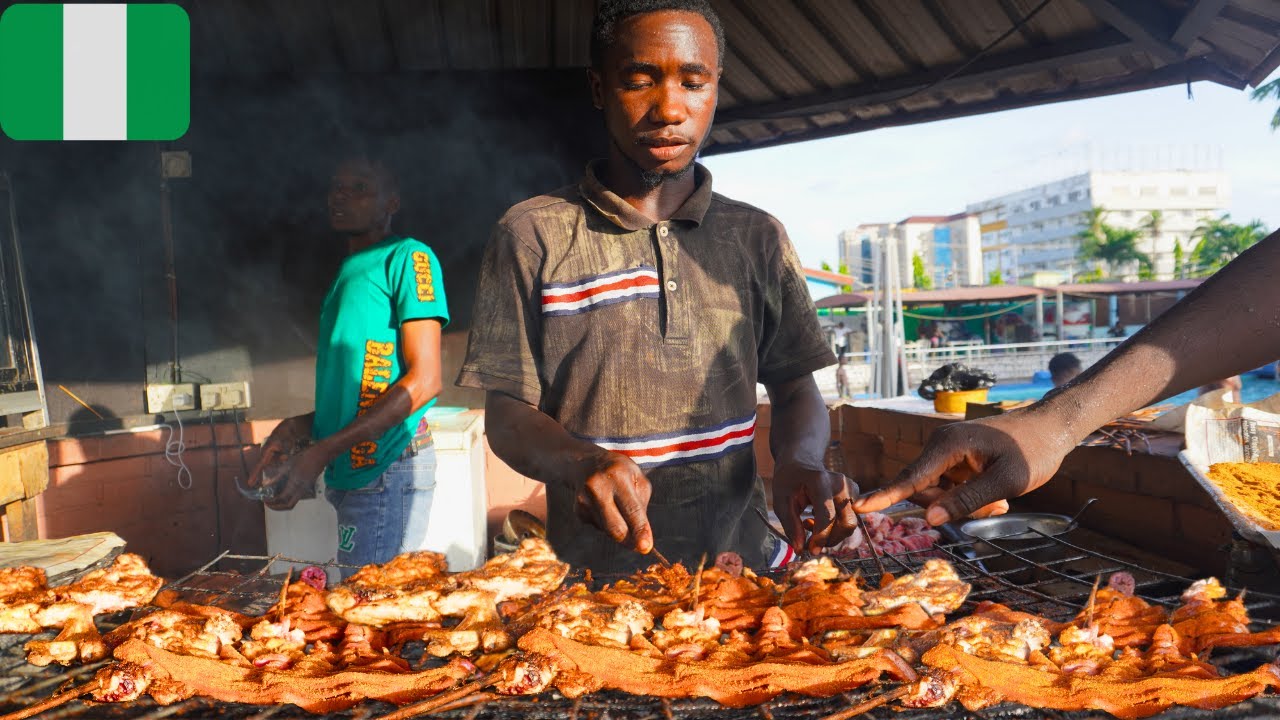
Lagos claims more than twenty million residents, and feeding them has created a restaurant ecosystem that operates without pause. Unlike single-site attractions with posted schedules, the city's food landscape is decentralized: a high-end grill in Ikoyi, a pepper soup joint in Surulere, and a beachside shack in Lekki all keep independent hours, responsive to foot traffic and neighborhood rhythm rather than municipal decree. Victoria Island and Ikoyi anchor the upscale dining corridor. Here you'll find air-conditioned establishments serving contemporary Nigerian cuisine, pan-African tasting menus, and international fare, most open from midday through 11 PM or later. Reservations are common on weekends. One neighborhood over, the Island's commercial spine along Adeola Odeku and Akin Adesola hosts lunch-focused spots patronized by the banking and tech crowd, many closing by 9 PM on weekdays. Mainland Lagos—Yaba, Surulere, Ikeja—holds the density. Buka-style canteens serve rice, stews, and grilled proteins from morning until the last customer leaves, often past midnight. Roadside suya vendors work evening and late-night shifts, grilling skewered beef and chicken over charcoal, seasoned with ground peanut spice mix and sliced onions. Street food here is transactional and immediate: point, pay, eat standing or take away in folded newspaper. Lekki's dining strip along Admiralty Way and the Lekki-Epe Expressway leans toward brunch culture and weekend socializing. Outdoor seating is common, and venues here tend to open late morning and run until midnight or beyond, especially Thursday through Sunday when the peninsula's nightlife cycle begins. Seafood restaurants along the lagoon in Ikoyi and beachfront grills in Lekki Phase 1 often operate continuously from noon through late evening, no break between service periods. Pricing transparency varies. Upscale venues publish menus with costs clearly marked; informal spots may quote verbally or expect negotiation on bulk orders. Mobile payment is now standard across most sit-down restaurants, though cash remains essential for street vendors and market stalls. The absence of a unified dining district means transport planning matters: traffic between Island and Mainland during evening rush can add an hour to a short journey, so cluster your meals by zone rather than chasing individual recommendations citywide.
“Lagos claims more than twenty million residents, and feeding them has created a restaurant ecosystem that operates without pause.”
Lagos features a diverse culinary landscape where traditional Nigerian flavors meet contemporary dining styles across key commercial districts. Visitors can explore everything from casual street side grills to upscale restaurants presenting regional dishes with modern techniques.
restaurant
Located on Bishop Oluwole Street in Victoria Island, this spot serves traditional and modern pan-African dishes like seafood okra and Jollof rice.
restaurant
Situated on Akin Olugbade Street in Victoria Island, this upscale venue offers a contemporary twist on classic West African cuisine within a modern architectural space.
street
Found on Glover Court in Ikoyi, this outdoor stall specializes in authentic Northern Nigerian skewered meats seasoned with spicy peanut rub.
restaurant
Positioned on Tiamiyu Savage Street in Victoria Island, this cultural center eatery serves classic local stews and swallows in an art-filled Nigerian setting.
Lagos offers access to dining throughout the week, though actual availability depends on the operating hours of individual restaurants. The city maintains a 24/7 accessibility profile across its diverse districts.
Access to Lagos as a dining destination is free. Individual costs for your visit depend entirely on the specific restaurant menu pricing you select.
Verdict: While city access is 0 NGN, your total expenditure is determined by the specific dining venues and menu items you choose.
Lagos is a sprawling metropolis where dining destinations are spread across the mainland and island districts. The most reliable way to navigate between food hubs is by utilizing private car services or ride-sharing applications.
Uber or Bolt ride-hailing services to specific restaurant address
Private driver hire via local transport agencies
BRT (Bus Rapid Transit) system to major hubs
Confirm your destination address accurately in your navigation app, as Lagos traffic can be heavy; booking rides during off-peak hours significantly reduces travel time.
The most effective time to experience Lagos dining is during weekday lunch periods, which allow visitors to avoid the significant traffic congestion typically associated with Friday evenings and weekends. Selecting these off-peak hours provides smoother navigation between different restaurant districts across the city.
—
Traffic is manageable, making it easier to reach various neighborhoods for midday meals.
—
Road congestion intensifies significantly, often delaying travel between dining locations.
Warm, dry (25°C–32°C)
Outdoor dining is pleasant, though popular venues require advance planning during these peak months.
Humid, rainy (23°C–29°C)
Intermittent rain may impact travel, but dining venues remain accessible city-wide.
Verdict: Tuesday to Thursday, specifically during weekday lunch hours between November and March, offers the best balance of manageable traffic and favorable weather.
Everything you need to know about lagos where to eat
Finding the right place to dine depends on your preference for local delicacies like jollof rice or international cuisine. Researching neighborhoods like Victoria Island or Ikeja often reveals the best lagos where to eat experiences. Utilizing online reviews and local recommendations helps narrow down your culinary itinerary.
Most establishments in the city operate within a flexible schedule, with many open from 00:00–23:59. While individual venues set their own hours, you will find consistent availability throughout the week. Always check specific restaurant timings before heading out to ensure they are serving.
There is no standard entry fee for dining in the city, as entry is 0 NGN for public restaurant spaces. Individual restaurants set their own menu pricing, so costs vary significantly based on your order. Plan your budget according to the type of venue you choose to visit.
Joining a professional city food tour allows you to explore diverse flavors with local guides who understand the culinary landscape. This approach often helps travelers discover authentic lagos where to eat spots that might otherwise be missed. It provides a structured way to experience local gastronomy without the guesswork of navigation.
When planning your search for lagos where to eat, consider the traffic and geographical spread of the city. Since options are city-wide, choosing restaurants near your accommodation or planned activities is a smart logistical strategy. This minimizes transit time and maximizes your time enjoying local meals.
Many establishments welcome families and provide diverse menu options suitable for children. Look for venues with comfortable seating and varied food selections to ensure a pleasant dining experience for all ages. Confirming if a location has a relaxed atmosphere can also help when dining with younger guests.