
3 hr
Lagos Classic Food Tour
Three-hour culinary journey through authentic Algarve taverns and restaurants with local guides
Reserve
Hand-picked by our editors — only the best 5 food experiences from 12 reviewed.
Verified partners for every tour, free cancellation where available, and instant confirmation on every booking.
3 hr
Three-hour culinary journey through authentic Algarve taverns and restaurants with local guides
Reserve
2 hr 30 min
Explore historic Lagos with a local guide, sampling regional specialties and uncovering stories from the Age of Discovery.
Reserve
4 hr
Explore Lagos through its flavors: seafood stew, codfish cakes, grilled fish, and custard tarts
ReservePrices from verified partners. Availability updates in real time at checkout. Free cancellation policies apply where shown.
The landmarks, rooms, and views travelers on this tour remember — all visible on a single visit.
This bronze monument honors the navigator who made Lagos a hub for the Age of Discovery.
A resilient historic site that survived the 1755 earthquake and anchors the square.
This statue depicts the young King whose failed crusade led to the rise of Spanish rule.
A site of significant historical weight that now houses a small museum.
Explore the remnants of these 16th-century defenses built by D. João III.
The lagos classic food tour provides an immersive cultural dive into local flavors, while the brunch cruise offers a scenic maritime perspective of the coastline; visitors often choose the walking path for depth and the sea voyage for relaxation.
| Feature | Top pick Lagos Classic Food Tour | Algarve Coast Brunch Cruise |
|---|---|---|
Primary Focus |
Historical walking and market tastings | |
Terrain |
Urban cobblestone streets | |
Culinary Style |
Traditional Portuguese gastronomy | |
Group Activity Level |
Active walking and social interaction | |
Best for |
Food enthusiasts and culture seekers | |
Coastal Exploration |
N/A (land-based) | Ponta da Piedade scenic views |
| See tickets → |
Verdict: Securing lagos classic food tour tickets is ideal for those prioritizing culinary heritage, whereas the cruise is better suited for travelers seeking coastal leisure after reviewing lagos classic food tour tours options.
Choose your ticket, select your date, and reserve in under two minutes. Secure checkout handled by our verified partner.
Instant confirmation by email, with a mobile voucher you can save offline. No printing, no queuing at a collection desk.
Arrive at the entrance, show your voucher on your phone, and walk in. Most tickets include priority or skip-the-line access.
Practical details for your visit straight from our verified partners — hours, access, rules, and how to get there.
Casual and comfortable attire is recommended for the lagos classic food tour. As this is a walking-intensive experience through historic cobbles, sturdy walking shoes are essential.
Travel light, as you will be moving between multiple venues on your lagos classic food tour. Storage facilities are not provided, so avoid bringing large suitcases.
Photography is encouraged throughout your lagos classic food tour. Capture the stunning historic architecture and local tavern atmospheres as you go.
Due to the nature of historic buildings visited during the lagos classic food tour, the experience is not suitable for wheelchair users. Expect moderate walking across uneven terrain.
Families are welcome to join the lagos classic food tour, though the experience involves alcoholic beverage tastings at several stops. Please note the minimum drinking age for these samples is 18.
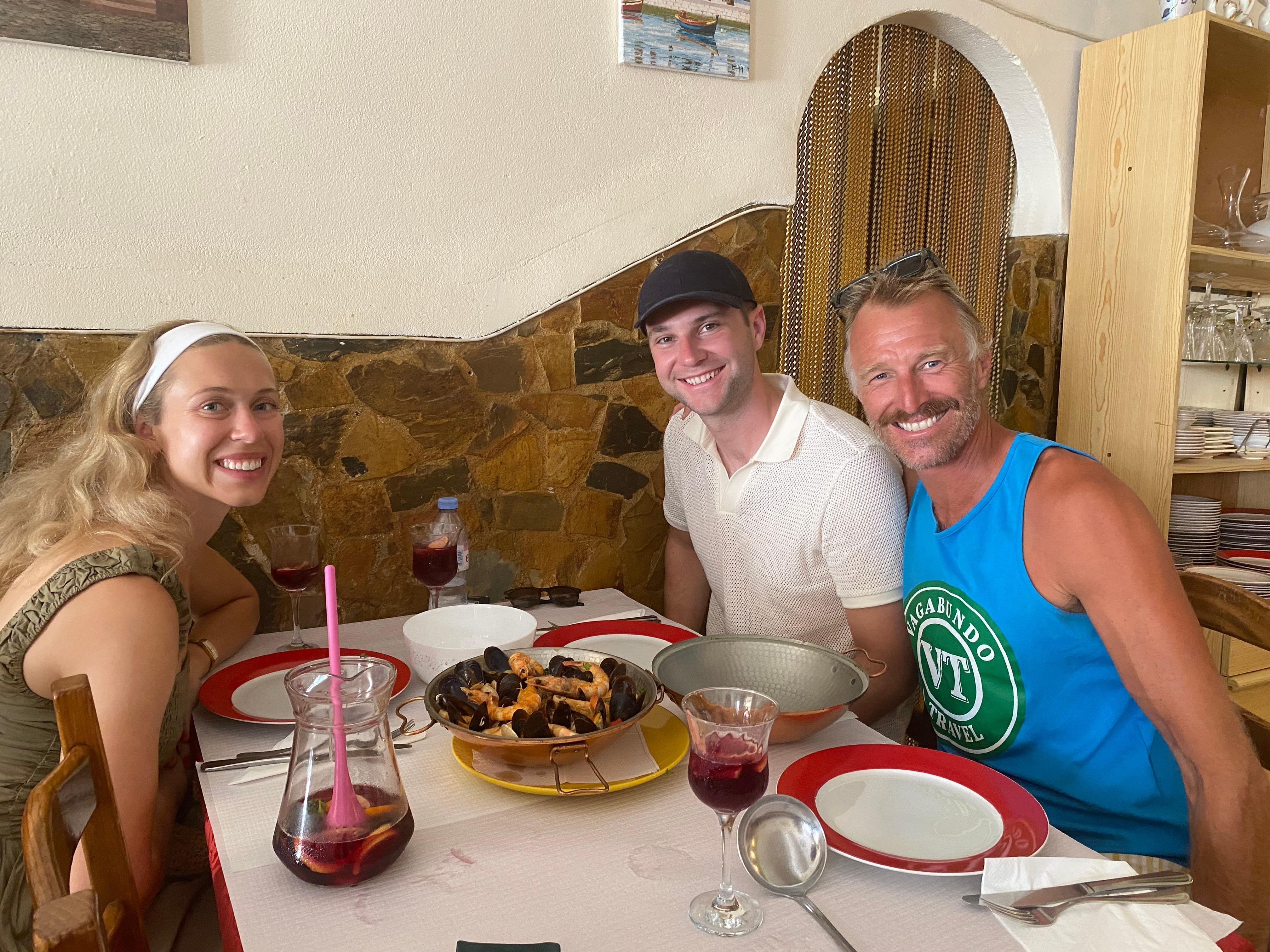
Your lagos classic food tour includes approximately 10 tastings across 3 to 4 local restaurants. Gluten-free and lactose-free options can be accommodated if requested in advance.
Best time to go, insider tips, nearby landmarks, and the cancellation fine print — flip through to skim what matters to you.
Flexible, no hidden fees.
Enjoy flexible booking with free cancellation up to 24 hours before your lagos classic food tour start time. A full refund is provided for cancellations made within this window or in the event of weather-related service changes.
Lagos has fed itself from the same stretch of coastline for seven hundred years, and the town's food map still follows the medieval grid laid down when Dom Manuel I chartered the fishermen's guild in 1504. The auction hall at the western harbor opens before dawn; by mid-morning, octopus and bream are already laid across ice in the municipal market on Praça Infante D. Henrique, where vendors speak a Portuguese thick with Arabic loan-words inherited from the Moorish occupation that ended here in 1249. The town's culinary identity was forged by necessity: salt cod from Newfoundland arrived in the holds of caravels returning from the New World, olive oil came overland from Alentejo, and almonds — planted by North African farmers in the eighth century — still carpet the inland hills each February. Today, Lagos sustains a food culture that resists the flattening pressure of resort tourism. The classic Lagos food tour routes thread through the Rua 25 de Abril and the narrow lanes behind Igreja de Santa Maria, connecting family-run tascas, century-old bakeries, and tile-fronted wine merchants whose cellars stock amphora-aged reservas from the Alentejo and Douro. These are not reconstructions: the same ovens that baked ship's biscuit for Vasco da Gama's fleet now turn out bolo de mel and folar de Lagos, a saffron-tinted loaf still baked to Easter recipes transcribed in the 1600s. The tour format — part walking seminar, part tasting relay — emerged in the mid-2010s as chefs and cultural guides sought a structure that could hold both history and flavor without devolving into either lecture or pub crawl. The culinary walk sits at the intersection of place and palate. Participants move through the town's historical core, pausing at sites where food and architecture overlap: the Moorish-era granary vaults beneath a pastelaria on Rua da Barroca, the nineteenth-century market ironwork commissioned after the 1755 earthquake, the azulejo panels in a family-run adega depicting the cod trade's Atlantic triangle. Each stop layers context — how a dish traveled, who cooked it first, why it survived — onto the act of tasting. The result is a record of Lagos that exists nowhere else: not in museums, not in guidebooks, but in the unbroken practice of people who have cooked the same recipes in the same kitchens for generations.
"The same ovens that baked ship's biscuit for Vasco da Gama's fleet now turn out bolo de mel and folar de Lagos."
A step-by-step walkthrough of the visit — what you'll see, how long each stage takes, and the details that matter.
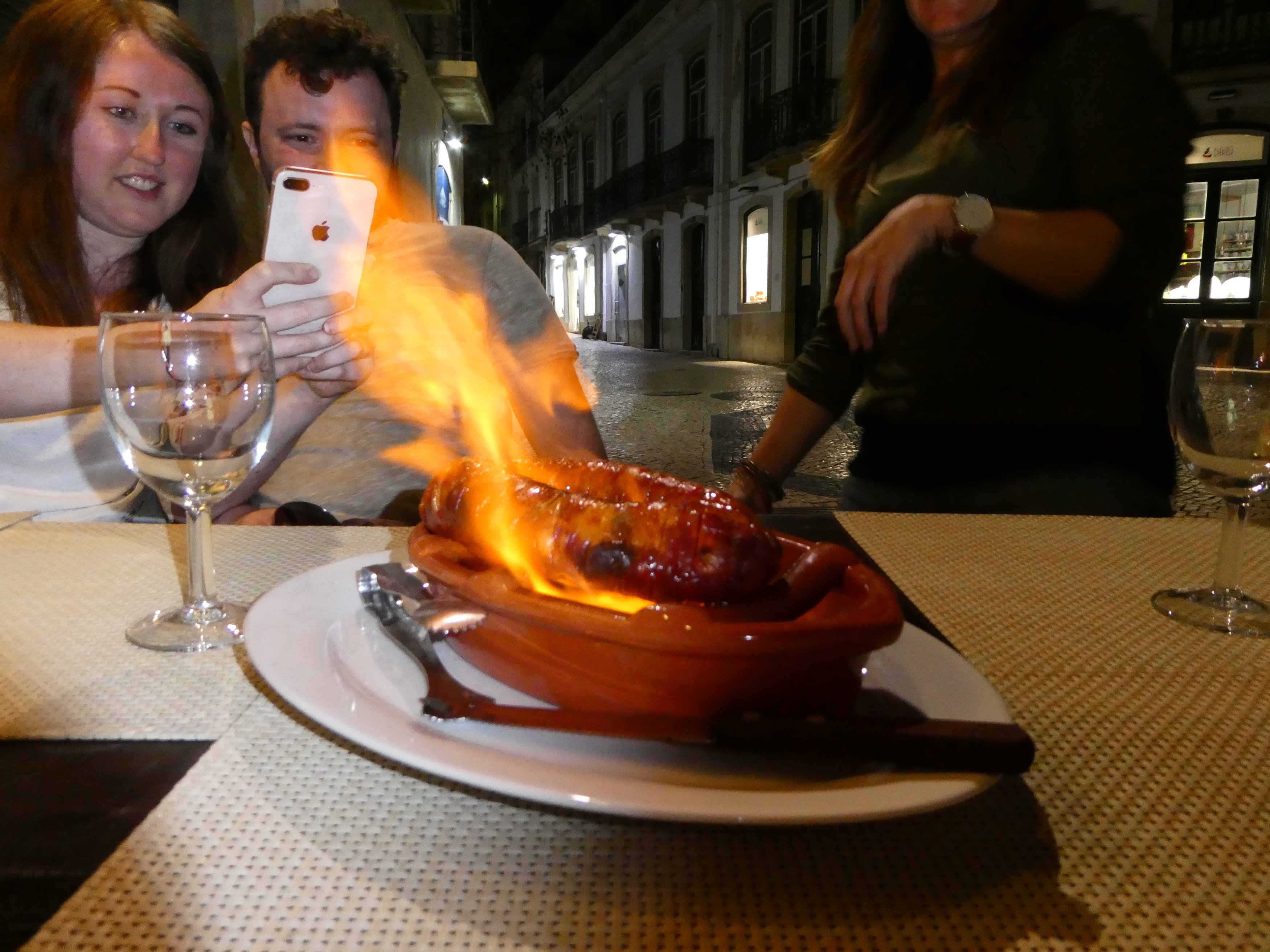
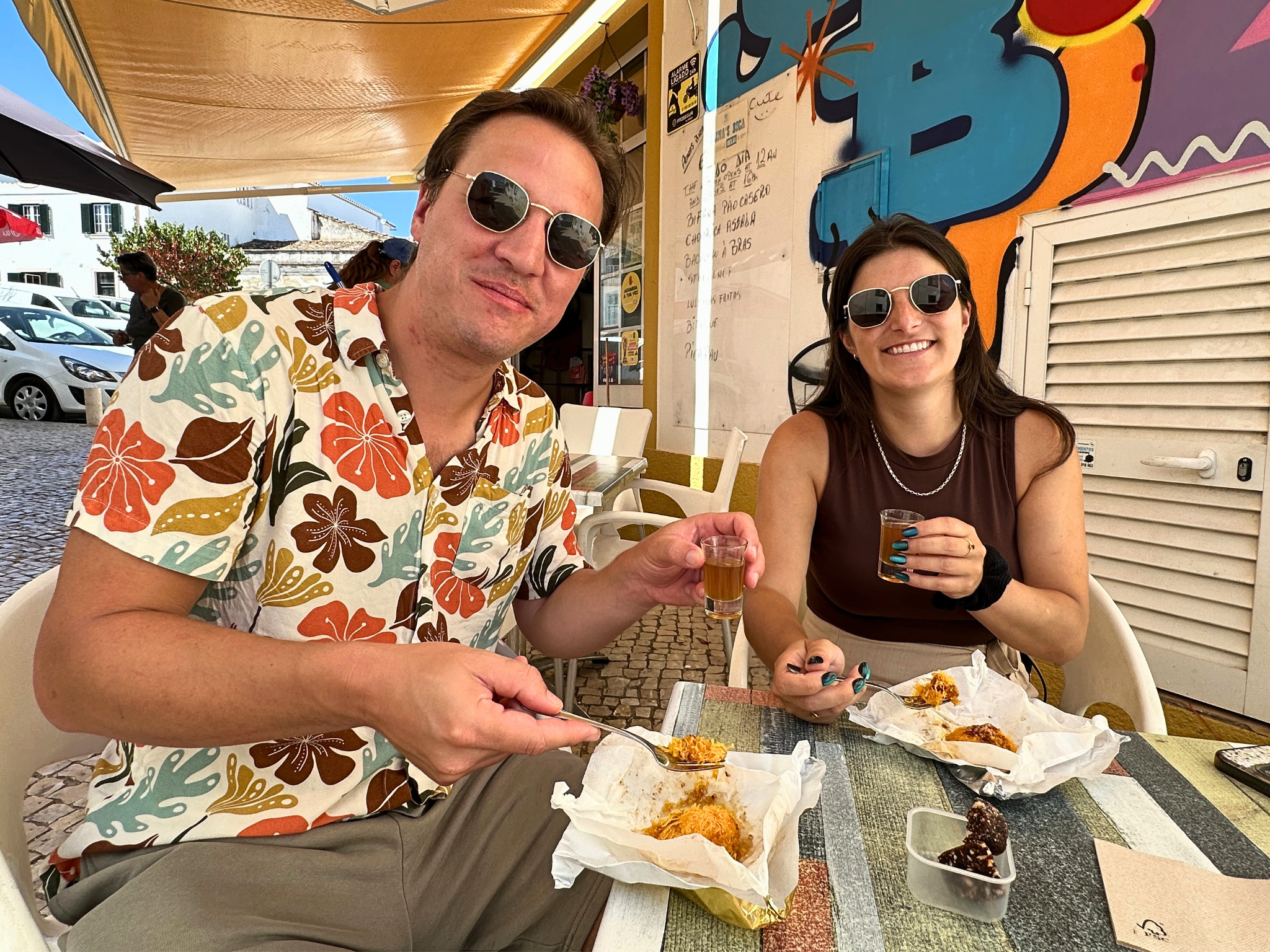
You meet your guide at Praça Infante D. Henrique, where the municipal market's tile façade catches the late-morning light. Inside, you navigate stalls piled with percebes and clams, pausing while your guide negotiates a tasting of razor clams grilled on a portable braseiro. The vendor slices lemon over the shells and hands you a paper napkin; you eat standing, the brine sharp and clean. You cross into the old town, stopping at a bakery on Rua da Barroca where the counter holds trays of pastéis de nata still warm from the oven. The guide explains the difference between Lisbon and Algarve custard tarts — less cinnamon, more lemon zest — while you drink espresso from a chipped ceramic cup. The route continues through cobbled lanes to a tasca near Igreja de Santa Maria, where the owner serves petiscos: chouriço flambéed in aguardente, sheep's cheese from the Serra, bread rubbed with garlic and drenched in olive oil. You taste three wines — a vinho verde, a red from the Alentejo, an aged reserva — while the guide traces the trade routes that brought each grape varietal to Portugal. The final stop is a tile-fronted adega where barrels line the walls and the air smells of wood and fermenting fruit. You sample a digestif distilled from medronho berries, its flavor somewhere between gin and smoke, and step back into the afternoon with the taste of the Algarve still on your tongue.
The lagos classic food tour operates daily from 11:30 to 21:00. This timing allows for both morning market visits and evening historic tastings.
Yes, families are welcome, but please note that some stops involve alcohol and the lagos classic food tour requires moderate walking.
Pets are not allowed on the lagos classic food tour. Only service animals may be permitted depending on local tavern policies.
Yes, it is highly recommended to secure your lagos classic food tour tickets early to guarantee a spot for your preferred date.
You can receive a full refund if you cancel your lagos classic food tour tour at least 24 hours before the scheduled start time.
The lagos classic food tour includes approximately 10 food tastings and drinks at multiple local venues.
There is no formal dress code, but we recommend wearing comfortable walking shoes for the lagos classic food tour.
While the lagos classic food tour offers gluten- and lactose-free modifications, vegetarian and vegan options are not currently offered.
There is no luggage storage provided for the lagos classic food tour, so please plan accordingly with local lockers.
We recommend arriving between 11:30 and 18:00 for the best experience during your lagos classic food tour.